The Devastating Effects on Our Planet
From clogged waterways to contaminated soil, disposable menstrual products are creating an ecological disaster that threatens ecosystems, wildlife, and human health across the globe.
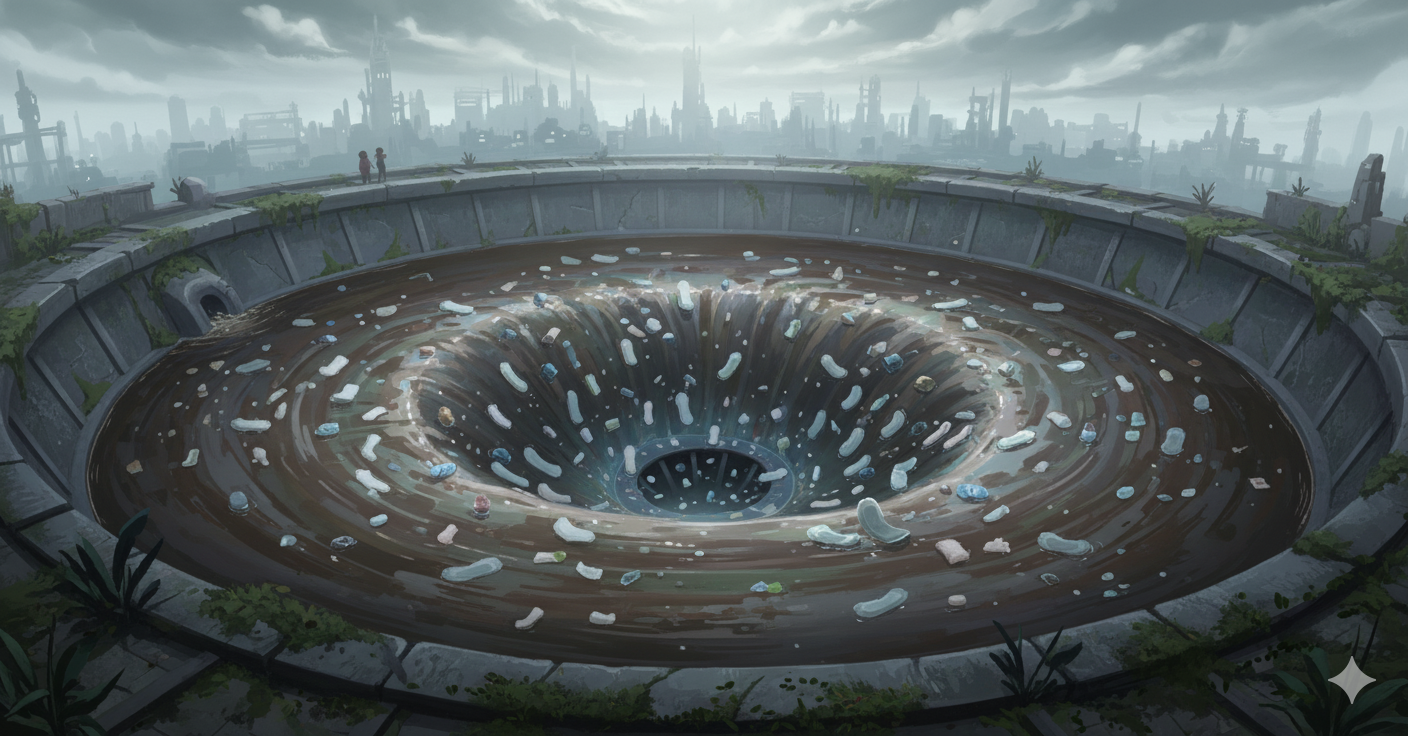
Clogged Water Systems
Improper disposal leads to blocked drainage systems, causing urban floods and widespread water contamination. Millions of pads are flushed daily, overwhelming sewage treatment facilities and creating public health emergencies in urban centers worldwide.
In developing nations, this creates severe sanitation crises, with contaminated water affecting entire communities and ecosystems downstream. Municipal water treatment plants spend millions annually dealing with blockages caused by menstrual products.
- Over 2.5 million tampons and pads flushed daily in the US alone
- Major cause of sewage system failures costing cities billions
- Microplastics from products contaminate drinking water sources
Overflowing Landfills
Millions of tons of non-biodegradable menstrual waste accumulate in landfills, releasing toxic chemicals into soil and groundwater for centuries. Each pad contains up to 90% plastic, equivalent to four plastic bags.
The plastic components, bleaching agents, and synthetic materials create a toxic cocktail that persists in our environment, affecting wildlife and plant life. Landfill space is increasingly scarce, yet menstrual products account for over 200,000 tons of waste annually in landfills worldwide.
- 200,000+ tons of menstrual waste in landfills yearly
- Chemical leaching contaminates groundwater for generations
- Wildlife ingestion causes injury and death to countless animals

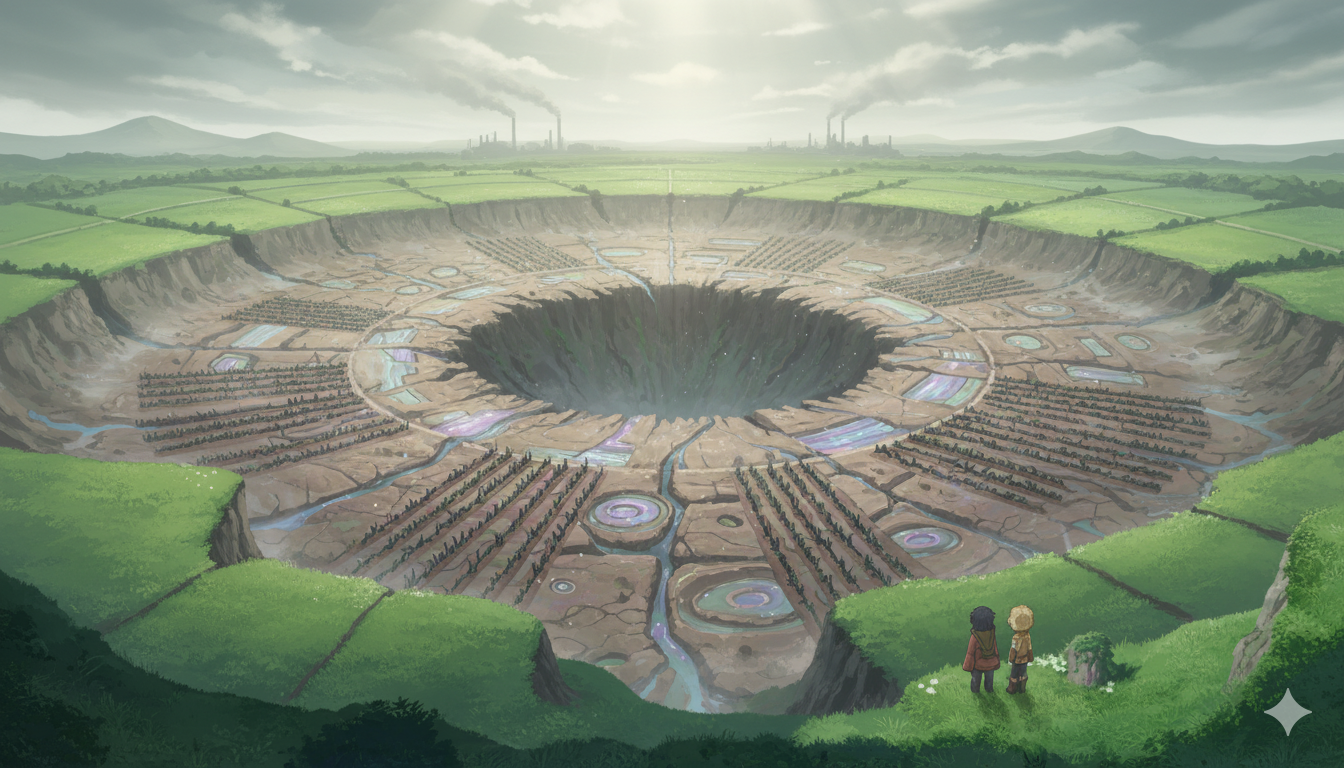
Soil Contamination
Chemical leaching from disposable products contaminates groundwater and severely affects agricultural productivity, threatening food security in vulnerable regions. Studies show elevated levels of plasticizers, bleaching agents, and synthetic polymers in soil samples near disposal sites.
These contaminants affect crop yields and quality, entering our food chain and causing long-term health effects. Rural areas using open disposal methods face the most severe impacts, with agricultural land becoming increasingly toxic.
- Dioxins and chemical residues persist for decades in soil
- Agricultural productivity reduced by up to 30% in affected areas
- Bioaccumulation of toxins threatens entire food chains
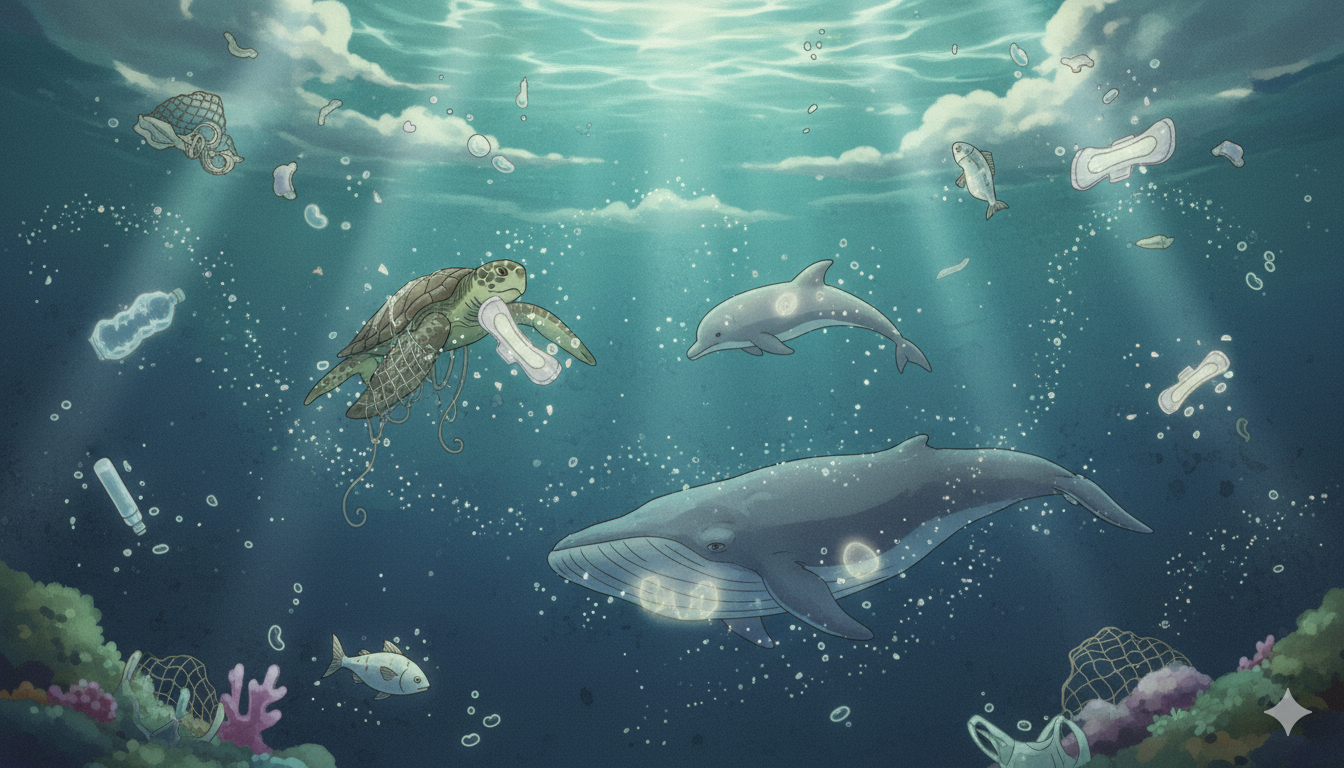
Ocean Pollution
Menstrual products are among the top 10 items found in beach cleanups worldwide. Once in the ocean, these products break down into microplastics that marine life ingests, entering the food chain and ultimately affecting human health.
Coastal communities face increasing challenges as menstrual waste washes up on beaches, affecting tourism, fishing industries, and marine biodiversity. The full extent of ocean contamination remains unknown as products sink to ocean floors.
- Found in stomachs of sea turtles, dolphins, and whales
- Microplastic contamination detected in 90% of tested fish
- Coastal cleanup efforts remove thousands of products annually